Dog First Aid: Safe Supplies to Use (and Avoid)
What can you use on dogs for first aid?
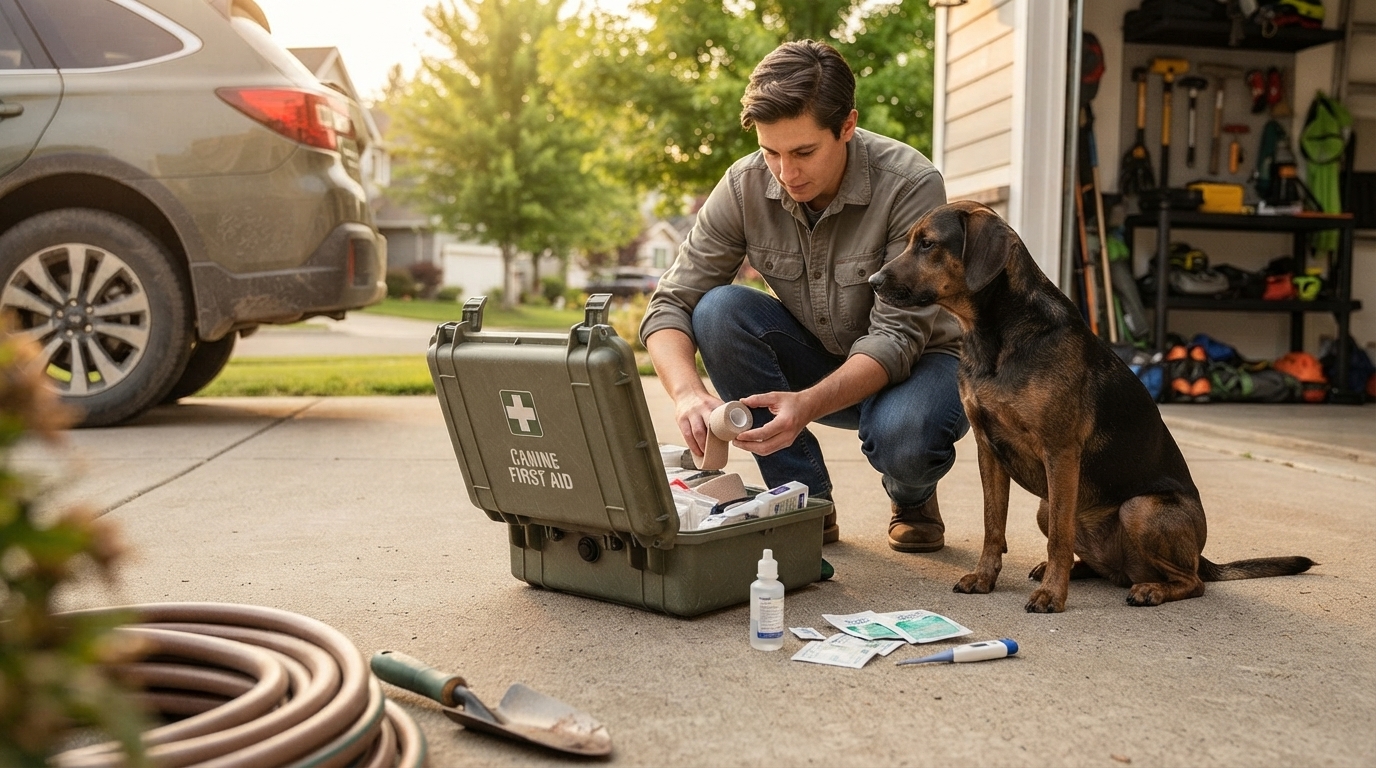
For basic dog first aid at home, stick to supplies that are safe, gentle, and easy to use while you contact a veterinarian. A well-stocked kit can help you control bleeding, protect a wound, soothe minor irritation, and prevent your dog from making an injury worse.
Essential dog-safe first aid supplies
Saline or clean water: Use sterile saline (or clean lukewarm water) to rinse debris from minor cuts or around eyes. Avoid blasting water into deep wounds.
Antiseptic rinse (pet-safe): A diluted chlorhexidine solution or diluted povidone-iodine (tea-colored, not dark) can be used for superficial skin cleaning. Skip hydrogen peroxide and rubbing alcohol, which can damage tissue and delay healing.
Non-stick gauze pads and roll gauze: Cover abrasions or small lacerations after cleaning. Non-stick pads help prevent re-opening a wound during bandage changes.
Self-adhering wrap (vet wrap): Helps secure gauze without tape stuck to fur. Wrap snugly but not tight—swelling and restricted circulation can happen quickly.
Styptic powder or pencil: Useful for minor nail quick bleeds. Apply gentle pressure first, then a small amount of styptic if bleeding continues.
Digital thermometer and lubricant: A rectal temperature can guide urgency (fever, hypothermia). If your dog is distressed or painful, don’t force it—call your vet.
Tick remover: A tick tool helps remove ticks cleanly without squeezing the body. Disinfect the area afterward.
Cold pack and clean towel: For bumps, sprains, or swelling, apply a wrapped cold pack briefly to reduce inflammation.
E-collar or soft cone: Prevents licking and chewing, which can infect wounds and pull out bandages.
When to stop and get urgent veterinary care
Seek immediate help for deep or gaping wounds, heavy bleeding that won’t stop with firm pressure, breathing trouble, suspected poisoning, burns, eye injuries, seizures, bloat signs (swollen abdomen, retching), or severe pain/limping.
For a more detailed, step-by-step guide on what to keep on hand and what to avoid, visit https://joyfultreasurenook.shop/what-can-you-use-on-dogs-for-first-aid/.
FAQ
What should you avoid putting on a dog’s wound?
Avoid hydrogen peroxide, rubbing alcohol, essential oils, and human antibiotic creams unless your veterinarian specifically recommends them. These can irritate tissue, delay healing, or be unsafe if licked.












Leave a comment